
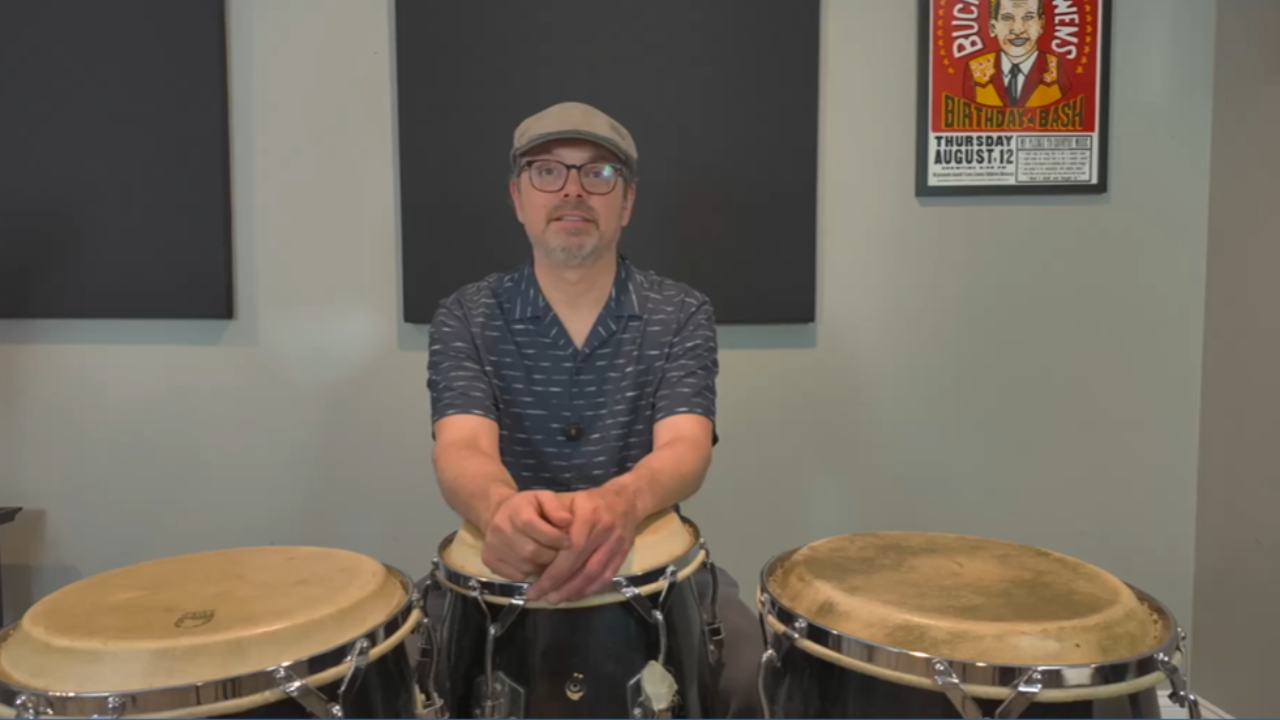
What I Learned Teaching Rhythm for 40 Years By Ryan Lacey
May 27, 2026
What I Learned Teaching Rhythm for 40 Years
By Ryan Lacey
I’ve spent over 40 years teaching rhythm.
I studied percussion at LA Music Academy.
I’ve toured professionally for more than two decades with Gaelic Storm.
I’ve taught beginners, professionals, kids, adults, nervous students, hyper students, and students who thought they had “no rhythm at all.”
And after all these years, I’ve learned something important:
Rhythm is not really about drums.
It’s about focus.
It’s about confidence.
It’s about learning how to recover when things don’t go perfectly.
That’s the real lesson.
The Biggest Mistake People Make About Rhythm
Most people think rhythm is a talent you either have or you don’t.
That’s completely false.
Rhythm is trained attention.
When students struggle, it’s usually not because they “can’t do it.”
It’s because their brain is trying to do too much at once.
The students who improve the fastest are not always the most naturally talented.
They’re the ones who:
- Stay relaxed
- Keep trying
- Learn to reset after mistakes
- Focus on one small improvement at a time
That applies to music… and honestly, life too.
Kids Need Movement More Than Ever
One thing I’ve noticed over the years is that kids learn better when their body is involved.
When kids tap rhythms, move their hands, cross the midline, switch patterns, or follow a beat, something changes:
- Their attention improves
- Their energy becomes more organized
- They become more engaged
- They stop overthinking
Rhythm gives the brain a job to do.
And for many kids — especially kids with attention challenges — that structure can be incredibly helpful.
Mistakes Are Part of the Process
Some of the best learning moments happen right after a student messes up.
Seriously.
A missed beat teaches recovery.
A rhythm reset teaches resilience.
Starting over teaches patience.
I’ve watched students become mentally stronger simply by learning not to panic when they lose the beat.
That’s a life skill.
Simple Always Beats Complicated
After decades of teaching, I’ve learned this:
Simple exercises done consistently beat complicated exercises done occasionally.
You do not need:
- Expensive gear
- Long practice sessions
- Advanced musical knowledge
Sometimes 5 focused minutes is enough.
A steady pulse.
A simple pattern.
A small challenge.
That’s where growth happens.
Rhythm Creates Connection
One of the coolest things about rhythm is that people instantly do it together.
Clapping.
Marching.
Dancing.
Drumming.
Rhythm connects people before they even speak.
I’ve seen it happen on stage, in classrooms, at workshops, and in living rooms.
You don’t need to be a musician to benefit from rhythm.
You just need to participate.
Why I Created Focus Rhythms
After years of teaching and touring, I wanted to create something simple that helped people build:
- Focus
- Confidence
- Calm
- Coordination
- Mental flexibility
That’s why I created Focus Rhythms.
Not to create professional drummers.
To help people strengthen attention and feel successful through rhythm.
And honestly?
Seeing someone smile after finally locking into a groove never gets old.
Try my free lesson here: focusrhythms.com
Ready to Build Focus Through Rhythm?
Explore rhythm-based lessons and activities designed to help neurodivergent kids practice focus, coordination, listening, and confidence through movement and music.
Stay connected with news and updates!
Join our mailing list to receive the latest news and updates from our team.
Don't worry, your information will not be shared.
We hate SPAM. We will never sell your information, for any reason.
