Rhythm, Movement, and Focus: Why Drumming Can Help Neurodivergent Kids Thrive
If you’ve ever watched your child tap on the table, bounce their legs, or move constantly while trying to focus, you’re not alone.
For many neurodivergent kids — including many with ADHD and autism — movement is not a distraction from learning.
It can actually be part of how they learn.
That’s one of the reasons rhythm-based activities can be so effective.
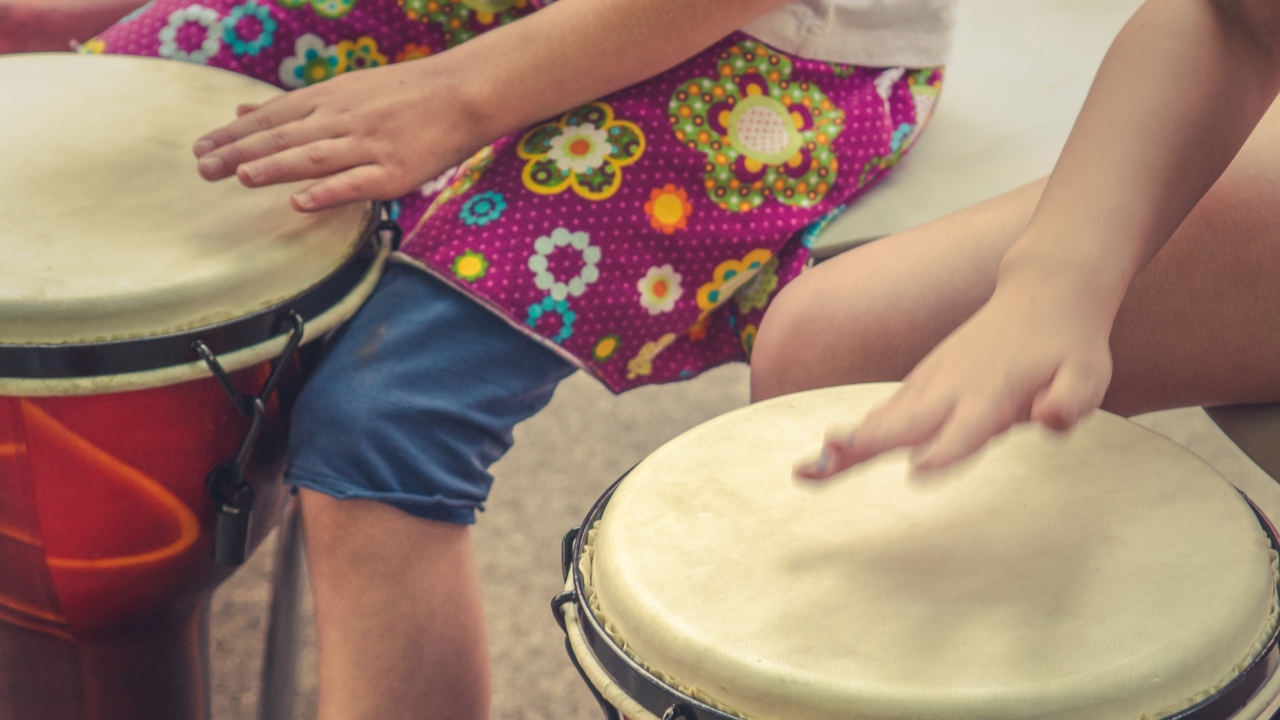
At Focus Rhythms, we use drumming, movement, rhythm games, and coordination exercises to help kids practice focus, listening, timing, and self-regulation in a way that feels engaging and encouraging.
Not through pressure.
Not through endless worksheets.
Through rhythm.
Why Rhythm Matters
Rhythm gives the brain structure.
A steady beat creates predictability, timing, and sensory feedback all at once. Many kids naturally respond to rhythm because it combines movement, listening, coordination, and repetition in a way that keeps the brain actively engaged.
Instead of forcing kids to “sit still and focus,” rhythm invites participation.
That matters because many neurodivergent children often learn best through:
- movement
- repetition
- visual and sensory feedback
- active participation
- hands-on experiences
Rhythm naturally brings those elements together.
Drumming Supports More Than Music Skills
At Focus Rhythms, the goal isn’t to create perfect drummers.
The goal is to help kids build confidence while practicing important life skills.
When kids participate in rhythm exercises, they are often practicing:
- listening carefully
- following directions
- timing and coordination
- attention shifting
- impulse management
- body awareness
- memory and sequencing
And because it feels fun and interactive, kids are often more willing to stay engaged.
Why Movement Can Help Focus
Many children with ADHD are constantly seeking movement and stimulation.
That doesn’t mean they are lazy, unmotivated, or unwilling to learn.
Their brains may simply process attention and sensory input differently.
Movement-based activities can sometimes help kids stay regulated and engaged because they allow the body and brain to work together rather than against each other.
That’s why rhythm activities can feel so natural for many kids.
They’re moving with purpose.
Simple Rhythm Activities to Try at Home
You don’t need a drum set to get started.
Here are a few simple activities families can try together:
Copy the Beat
Clap or tap a short rhythm pattern and have your child repeat it back.
Beat Freeze
Play a steady rhythm and randomly stop.
When the rhythm stops, everyone freezes.
Loud vs. Soft
Tap loudly on even numbers and softly on odd numbers.
Speed Changes
Start slow, speed up, then slow back down while trying to stay steady.
These exercises can help support listening, timing, coordination, and attention in a low-pressure way.
A Different Kind of Learning Experience
Every child learns differently.
Some kids thrive sitting quietly with worksheets. Others learn best when movement, sound, and interaction are involved.
Focus Rhythms was built to create a supportive space where neurodivergent kids can feel successful while practicing focus and coordination through rhythm and music.
Because sometimes the best learning happens when kids are smiling, moving, and fully engaged.
Final Thoughts
Rhythm is more than music.
It can be a tool for connection, confidence, focus, and self-expression.
And for many kids, especially neurodivergent learners, a simple beat can open the door to learning in a way that finally feels natural.
At Focus Rhythms, we believe every child deserves the chance to learn in a way that works for them.